Networking to Enhance Development 2026
In-person Only | Friday, September 18





In-person Only | Friday, September 18
The annual Networking to Enhance Development (NED) Conference is a professional development conference for and by research coordinators. Participation in NED allows research coordinators to develop contacts, share ideas, and learn from peers.
This year’s conference will be in-person only and held Friday, September 18 at UW Medicine South Lake Union in Seattle. Our theme this year is Connecting People, Process, and Purpose. Registration will open on Wednesday, July 15, at 9am PDT.
The NED Conference is organized by the Institute of Translational Health Sciences and is a collaboration between the University of Washington, Fred Hutch, and Seattle Children’s.
We have archived previous years’ conference materials at the main NED page.
DATE: Friday, September 18, 2026
TIME: 9:00am–3:45pm PDT
COST: $50 per person
LOCATION: UW Medicine South Lake Union (850 Republican St, Seattle, WA 98109)
REGISTRATION OPENS: Wednesday, July 15, 9am PDT
This year’s opening plenary session will be Partnering with Families in Clinical Trials: Real-world lessons from a mother’s journey from her child’s diagnosis to participating in a clinical trial, advocacy and beyond, presented by Kristen Baugher. Stay tuned for more details about this year’s agenda!
| 9:00–9:30am | Sign In & Coffee |
| 9:30–10:00am | Welcome & Overview |
| 10:00–11:15am | Opening Plenary: Partnering with Families in Clinical Trials |
| 11:15am–12:00pm | Networking |
| 12:00–1:00pm | LUNCH |
| 1:00–2:00pm | Breakout Sessions — Round 1 |
| 2:00–2:15pm | BREAK |
| 2:15–3:15pm | Breakout Sessions — Round 2 |
| 3:15–3:45pm | Closing |
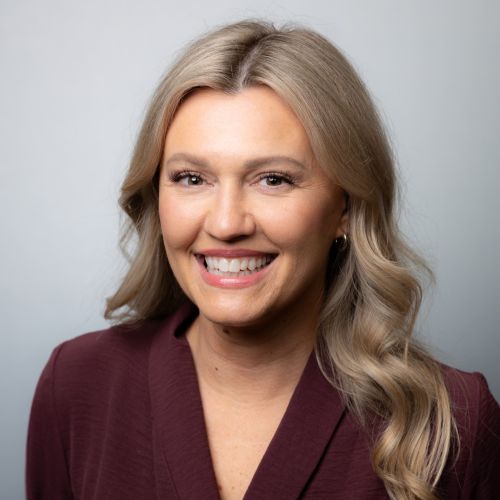
NED 2026 Plenary Session Speaker
Kristen Baugher
Designing an effective strategy for research participant incentives is a delicate balancing act. Offer too little, and recruitment and retention stall; offer too much, and you risk undue influence. This session is designed to equip researchers, study coordinators, and administrators with practical tools for how to determine incentive structures for your study.
By the end of this session, attendees will be able to:
 Michael Donahue, CCRC
Senior Clinical Research Coordinator Clinical Trials Office
UW Medicine
Michael Donahue, BS, CCRC, is a Senior Clinical Research Coordinator in the University of Washington’s Clinical Trial Office. Mike has 28 years of experience in clinical research and provides a wide range of study coordination, regulatory, and compliance support. He’s manages the CTO’s Data and Safety Monitoring program and is a member of the Institute for Translation Health Sciences ’, Recruitment Support Service.
 Jenny Maki, PhD, CIP
Information and Education Manager
Human Subjects Division
University of Washington
Jenny Maki, PhD, CIP, is an Information and Education Manager at the University of Washington Human Subjects Division (HSD). Jenny has worked at HSD for 9 years, including as an IRB Review Administrator and an IRB Reliance Administrator. Before joining HSD, Jenny worked for 5 years as a Research Coordinator and Project Manager for a multi-site collaborative clinical research project at multiple locations in India.
This session will explore how qualitative research can complement traditional clinical trial methods to improve participant experience, inform future study design, and ensure research addresses outcomes that matter most to patients.
Examples of qualitative methods that will be discussed include (1) Mixed methods pilot trial: Use of post-intervention qualitative interviews to better understand participant experiences, provide context for quantitative findings, and identify opportunities to improve intervention delivery; and (2) Phase III clinical trial: Planning post-accrual qualitative interviews to understand patient priorities, identify unmet needs, and inform the design of future patient-centered clinical trials.
This session will also discuss incorporating patient voices through qualitative research to ensure that future studies are designed around participants’ priorities, reducing barriers to participation, and fostering research partnerships that provide meaningful value to both patients and research teams.
 Chelsea Blanes, MPH
Research Program Coordinator
Department of Radiation Oncology
University of Washington
Chelsea has an MPH in Health Systems and Population Health from the University of Washington and currently works in the Department of Radiation Oncology, focusing on cancer care delivery and implementation science. Chelsea’s work centers on improving the delivery of evidence-based cancer care and translating research into practice.
Join fellow Clinical Research Coordinators for an interactive conversation about how bilingual CRCs help improve language access and participant communication in research. Across organizations, approaches to translating study materials and ensuring participant understanding can vary widely. Bilingual CRCs are often asked to take on translation and health communication responsibilities, sometimes without specialized training in these fields. This session will provide an opportunity to share experiences, discuss challenges and successes, and collaboratively identify best practices for supporting inclusive and effective research communication.
 Caitie Hawley, MSPH
Project Manager
Center for Pediatric Bioethics
Seattle Children’s Research Institute
Caitie (she/hers) has a decade of experience managing a variety of clinical research studies ranging from behavioral interventions, drug and vaccine trials, ancillary studies on topics such as HIV, cardiovascular health, and most recently, pediatric bioethics and palliative care. She has an MSPH in Global Disease Epidemiology and Control from Johns Hopkins Bloomberg School of Public Health, a Certificate in Biomedical Regulatory Affairs from UW, and is working on PMP certification through PMI. She lives in Shoreline with her husband, dog, and 3-year-old son. In her spare time, she enjoys reading, skiing, and rock climbing.
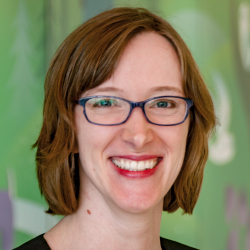 Kimberly Arthur, MPH
Clinical Research Scientist
Seattle Children’s Research Institute
Kimberly Arthur, MPH, is a clinical research scientist at the Treuman Katz Center for Pediatric Bioethics. She conducts community-based participatory research, often using a co-design approach in which community and/or health care partners participate as full team members throughout the process of designing programs or interventions. She is currently a collaborator in Dr. Kate MacDuffie’s lab, where she conducts qualitative research exploring the early intervention experiences of parents of children diagnosed with a rare genetic condition through newborn whole genome sequencing as well as the perspectives of their therapists. Her past research focused on adapting and evaluating mindfulness programs in English and Spanish to support child and family well-being.
Research teams often rely on experienced coordinators, specialists, and other research staff to step into supervisory roles, yet many staff members receive little formal preparation for the transition from individual contributor to leader. Effective supervision requires a different set of skills—including providing feedback, delegating effectively, navigating difficult conversations, supporting staff development, and making decisions with increasing autonomy.
This interactive session will share a practical approach to developing research staff into effective supervisors and leaders. The session will highlight a structured supervisory leadership development program designed to help experienced research staff build the knowledge, skills, confidence, and experience needed to take on greater leadership responsibility. The presentation will also focus on one or two core leadership skills and provide practical strategies that participants can apply within their own research teams. Attendees will leave with ideas for identifying potential future leaders, creating meaningful opportunities for leadership development, and supporting the transition from highly skilled research staff to effective supervisors.
 Roger Goosey, BS
Research Manager
Dept of Psychiatry and Behavioral Sciences
University of Washington
Roger Goosey, BS, (he/him) is a Research Manager in the School Mental Health Assessment, Research, and Training (SMART) Center. He has more than 12 years of experience working in research, including work in the private sector and at public academic institutions. He has been in his current position for nearly 4 years, where he manages a team of staff at the UW SMART Center. Through a transdisciplinary lens including from the College of Education and the School of Medicine Department of Psychiatry and Behavioral Sciences at the University of Washington, SMART facilitates more equitable and effective approaches to research and technical assistance surrounding the implementation of evidence-based social, emotional, and behavioral interventions. Roger works mostly on projects with Aaron Lyon, PhD, whose research seeks to increase the accessibility and effectiveness of interventions for students and families through multi-level approaches to supporting implementation.
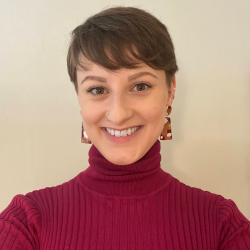 Vaughan Collins, MSW
Research Coordinator
ALACRITY Center & School Mental Health Assessment, Research, and Training (SMART) Center
University of Washington
Vaughan Collins, MSW, is a Research Coordinator at the School Mental Health Assessment, Research, and Training (SMART) Center and ALACRITY Center at the University of Washington, where they coordinate federally funded research projects. Drawing on more than three years of experience helping research staff across multiple teams transition into supervisory responsibilities, Vaughan supports emerging supervisors as they learn to set expectations, guide the work of others, and respond effectively to new supervisory situations. Their work includes helping staff strengthen their judgment and confidence in decision-making, problem-solve supervisory challenges, and balance the needs of individual staff members with those of the broader research team.
Are you ready to take the next step in your clinical research career?
Whether you’re exploring SOCRA or ACRP certification or wondering how to fit exam preparation into an already busy schedule, this session is for you.
Attendees will learn how certification can impact professional development and discover practical tips, study resources, and real-world strategies for successfully getting certified.
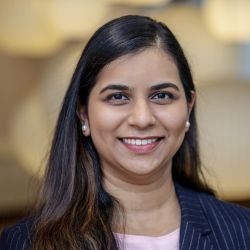 Dhanashree Sawant, MS, CCRP
Clinical Trials Office
UW Medicine
Dhanashree is a Clinical Research Professional with over ten years of experience in clinical research and healthcare. Dhanashree currently works at the Clinical Trials Office, RCC at the UW as an Implementation Coordinator for psychiatry and endocrinology studies. Prior to this current role, Dhanashree served as a Research Coordinator at Seattle Children’s Hospital, overseeing PI-initiated and industry sponsored trials in rare genetic disorders in the pediatric population. Dhanashree holds a master’s degree in Nutritional Sciences and am a SOCRA Certified Clinical Research Professional (CCRP). Dhanashree is passionate about advancing clinical research and fostering collaboration across multidisciplinary teams.
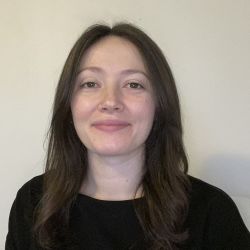 Katie Wicklander, CCRC
Clinical Trials Office
UW Medicine
Katie has worked in clinical research for over 11 years across various specialties such as Psychiatry, Urology, Pulmonary, and Dermatology. Katie earned my ACRP Certified Clinical Research Coordinator certification in 2022 and have maintained certification every two years. Currently Katie works as a lead research coordinator in the Clinical Trials Office managing a large portfolio of studies across the consortium. My current work is focused on growing clinical trial programs and staff training and development.
Career growth doesn’t always mean changing jobs. Join us for a conversation with experienced research professionals as they share how they carved their own career paths, the opportunities they pursued, and the lessons they learned along the way. Whether you’re early in your career or looking for your next area of growth, you’ll gain practical strategies to expand your impact, deepen your expertise, build influence and connections, and create new opportunities. Staff will walk away with:
Panel Moderator:
Panelists:
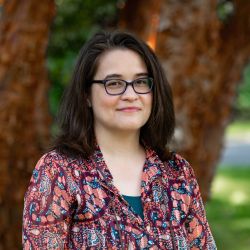 Kersten Brinkworth is an ACRP Certified Clinical Research Associate with more than 15 years of experience in clinical research operations, program management, and training development across both clinical trial site and sponsor settings. She currently serves as an Assistant Director of Clinical Research Training for the Clinical Trials Office (CTO) at UW Medicine and is Co-Chair of the Washington State SoCRA Chapter. Committed to fostering professional growth, Kersten enjoys developing impactful learning resources and practical tools, mentoring emerging research professionals, and building fruitful collaborations that enhance the clinical research community.
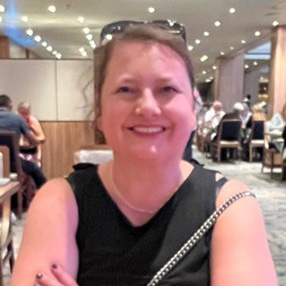 Kara Cooper is the Training Manager for clinical research at Seattle Children’s. She got her start in clinical research working “bedside to bench” in the labor and delivery unit at University of Washington Medical Center, where she recruited families from the unit, collected placenta and cord blood samples, and then processed them in a lab down the hall from the primate center. Seeing how research changes lives, she gave up her dream of being a public relations representative for celebrities and spent the next twenty years working as a research coordinator at Fred Hutch and then Seattle Children’s where she oversaw studies ranging from metastatic pancreas cancer to pediatric Hepatitis C.
In her new role, she is creating centralized training and educational resources for clinical research professionals and working to create career development pathways to improve the visibility and accessibility to “the best job no one has heard of.”
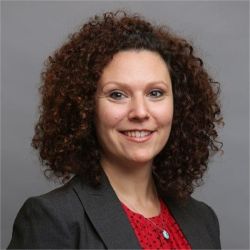 Sarah Trignano is a clinical research project manager with 10 years of investigator-initiated clinical research experience. She currently leads the Precision Oncology Support Team for UW’s Department of Laboratory Medicine & Pathology’s Genetics Division, which means acting as IRB point-person, an honest-broker of clinical and research data, and supporting cross-institutional collaborations.
She holds an EdM in Applied Physiology, was formerly an ACSM-Certified Exercise Physiologist (her point of ingress to clinical research), and is a Fulbright alumna. Sarah embraces fresh projects and new teams, geeking out on REDCap, and announcing IRB approvals.
Dhanashree Sawant is a Clinical Research Professional with over ten years of experience in clinical research and healthcare. Dhanashree currently works at the Clinical Trials Office, RCC at the UW as an Implementation Coordinator for psychiatry and endocrinology studies. Prior to this current role, Dhanashree served as a Research Coordinator at Seattle Children’s Hospital, overseeing PI-initiated and industry sponsored trials in rare genetic disorders in the pediatric population. Dhanashree holds a master’s degree in Nutritional Sciences and am a SOCRA Certified Clinical Research Professional (CCRP). Dhanashree is passionate about advancing clinical research and fostering collaboration across multidisciplinary teams.
In clinical trials, the process of informed consent is intended to support prospective participants in making enrollment decisions that are well informed and aligned with their values and preferences. Despite the importance of relationship building during the consent process, there is little structured guidance for research teams on how to effectively facilitate informed consent conversations with prospective participants. The ENVISION project (ENgaging with Values to Inform research enrollment deciSIONs) developed 1) a structured approach for simplifying, reorganizing, and reformatting consent documents and 2) a values-oriented communication framework and training curriculum for research coordinators. Both of these ENVISION components are anchored in supporting exploration of personal values and priorities related to study enrollment, using strategies such as providing examples of key reasons why someone might join or not join. These strategies can help researchers work with prospective participants to identify the most critical information and encourage participants to reflect on their values and priorities.
NED attendees will learn about the ENVISION approach, describing this innovative participant-centered informed consent form and four-part, values-oriented communication framework. This session will include role-play exercises involving consent conversations for clinical research to allow attendees to practice the introduced skills.
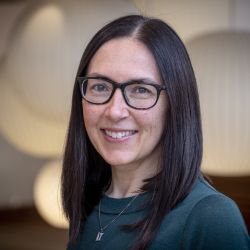 Katie Porter, JD, MPH
Research Scientist
Treuman Katz Center for Pediatric Bioethics and Palliative Care
Seattle Children’s Research Institute
Katie Porter, JD, MPH, is a Research Scientist at the Treuman Katz Center for Pediatric Bioethics and Palliative Care at Seattle Children’s Research Institute (SCRI) and Affiliate Assistant Professor in the Department of Bioethics and Humanities at the University of Washington. She is the Director of the Research Ethics Consultation Service through the University of Washington’s Institute of Translational Health Sciences and serves as Co-Chair of the national Clinical Research Ethics Consultation Collaborative. Ms. Porter also serves as a member of the Seattle Children’s IRB. Her professional interests include research ethics and improvement of the informed consent process.
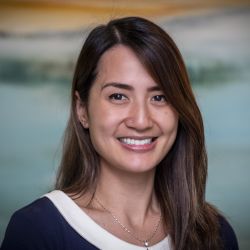 Holly Hòa Võ, MD, MPH, MSc, MA
Assistant Professor, Pediatrics
Division of Pulmonary and Sleep Medicine, Division of Bioethics and Palliative Care
Seattle Children’s Hospital
University of Washington School of Medicine
Holly Hòa Võ is an Assistant Professor in the Department of Pediatrics at the University of Washington School of Medicine / Seattle Children’s Hospital in the Divisions of Pulmonary and Sleep Medicine & Bioethics and Palliative Care. Dr. Võ’s scholarship focuses on the process of shared decision-making, strengthening comprehensive care for children with medical complexity, and improving health outcomes.
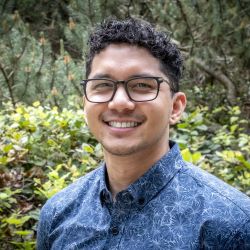 Devan M. Duenas, MA
Clinical Research Coordinator III
Seattle Children’s Research Institute
Treuman Katz Center for Pediatric Bioethics and Palliative Care
Devan Duenas, MA, is a Clinical Research Coordinator III who joined the Treuman Katz Center for Pediatric Bioethics and Palliative Care in 2017. He is a consultant and the coordinator for the Research Ethics Consultation Service through the University of Washington’s Institute of Translational Health Sciences.
Project management is a vital skill for research coordinators at any stage of their career. Research coordinators are asked to wear a variety of hats and must juggle near-constant demands on their time from multiple PIs, regulatory organizations, study participants, and more. Understanding project lifecycles, how to manage limited resources, and using available tools to keep track of your tasks and work will help you coordinate research more effectively. This will be an interactive session and discussion to share best practices.
Attendees will understand how project management approaches and concepts such as the “triple constraint” and “scope creep” can help you manage your workload as a research coordinator. And identify tools and strategies that can help you stay organized and productive.
Caitie Hawley, MSPH
Project Manager
Center for Pediatric Bioethics
Seattle Children’s Research Institute
Caitie (she/hers) has a decade of experience managing a variety of clinical research studies ranging from behavioral interventions, drug and vaccine trials, ancillary studies on topics such as HIV, cardiovascular health, and most recently, pediatric bioethics and palliative care. She has an MSPH in Global Disease Epidemiology and Control from Johns Hopkins Bloomberg School of Public Health, a Certificate in Biomedical Regulatory Affairs from UW, and is working on PMP certification through PMI. She lives in Shoreline with her husband, dog, and 3-year-old son. In her spare time, she enjoys reading, skiing, and rock climbing.
DCTI at the University of Washington has provided new opportunities to support research practices that benefit all. While the efforts are UW-based, many of the challenges and lessons learned are broadly applicable. This interactive session will discuss strategies for community engagement, participant recruitment, reducing barriers to participation, and connecting researchers with available resources. Attendees will contribute their own experiences and explore approaches that support broader participation in clinical research. As a result of attending this session, participants will acquire strategies and resources to enhance participation in clinical trials.
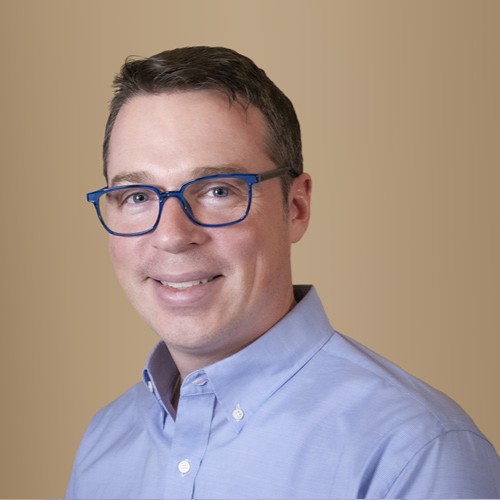 Jason M. Malone, MPA, CIP
Director, Human Subjects Division
University of Washington
Jason Malone is the Director for the Human Subjects Division at the University of Washington (UW), which manages the three Institutional Review Boards (IRBs) that review and oversee UW human subjects research. Prior to serving as Director Jason was the Assistant Director for Regulatory Affairs, administering the IRB compliance and post-approval monitoring programs. Jason spent nine years as the Clinical Compliance Officer for the UW Institute of Translational Health Sciences where he ran the compliance programs for the pediatric and adult Clinical Research Centers as well as the Data and Safety Monitoring program. Before his career at the UW, Jason spent six years at Quorum Review IRB (now Advarra) where he was responsible at various times for overseeing their nationwide site monitoring program, IRB Administration, Regulatory Compliance, and Customer Relations. Jason has a master’s degree from the UW in Public Administration, and a Certificate in Global Health.
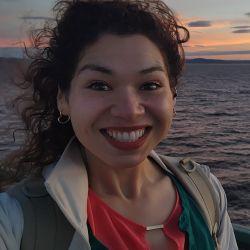 Juliana Garcia, PhD
Assistant Director
Community Engagement
UW Medicine OHCE
Juliana Garcia is the Assistant Director of Community Engagement at UW Medicine OHCE. Her work supports implementation of Washington State Diversity in Clinical Trials law (RCW 69.78) through the Community-Based Research Collaboratory (CBRC), researcher support initiatives, and community engagement programs, translating policy into practice through trust-based partnerships that center community voices, strengthen accountability, and improve access for all to research. She also advances UW Medicine’s outreach efforts by connecting departments with communities and community members with healthcare services, educational resources, research opportunities, and clinical trials.
Juliana holds a PhD in community-clinical psychology, a master’s degree in social sustainable business, and a certificate in public health. She completed an American Heart Association postdoctoral fellowship focused on strengthening participation in clinical trials through community-based research partnerships.
Drawing on more than a decade of work across academic, nonprofit, teaching, and community‑based research settings, she approaches this work as an invitation to collaborate—bridging policy, research, and community practice with rigor, accountability, and care.
Patient specimens such as blood, urine, and biopsy samples are playing an increasingly important role in advancing biomedical research. This session will explore how cells from donated specimens can be transformed into induced pluripotent stem cells (iPSCs) and then used to create organoids, assembloids, and “organs-on-chips” that model human disease. These innovative tools are helping researchers better understand disease mechanisms, identify potential drug targets, predict toxicities, and accelerate the development of new therapies for both common and rare conditions.
Designed for research coordinators and other patient-facing research professionals, this presentation will highlight the critical role of specimen-based research and the importance of communicating its value to patients. Attendees will gain insight into how specimen donations contribute to scientific discovery and support drug development, and why these human-based models are becoming an important alternative to animal testing. The session will also touch on emerging ethical considerations surrounding advanced stem cell technologies, including cerebral organoids, and their implications for the future of research.
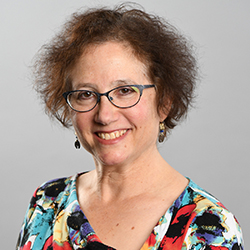 Erica C. Jonlin, PhD
University of Washington
Erica Jonlin is the regulatory manager for clinical research activities in the UW Institute for Stem Cell and Regenerative Medicine (ISCRM) and the UW Department of Laboratory Medicine and Pathology, where she is responsible for educating and assisting investigators in complying with FDA and IRB regulations. Erica regularly lectures and publishes on ethical conundrums in Human Subjects research and stem cell research, and for over 13 years she was an instructor for the UW Certificate in Clinical Trials and UW Biomedical Regulatory Affairs Masters of Science programs. For five years, Jonlin was a human subjects review administrator for one of the University of Washington’s Institutional Review Boards, serving as a member and facilitator of the committee, and documenting committee reviews and decisions. Erica has a Ph.D. in Biochemistry which she earned at the University of California, Los Angeles.
Registration for NED 2026 is closed. Please click here to join the waitlist.
Please note that there is a $50/person registration fee for NED this year. As organizers, we want to make sure we can continue to provide the engaging content you’ve come to expect every year, and charging a fee allows us to do that. If you have questions about the fee, please email ithsadmn@uw.edu. Thank you for your continued support and we look forward to seeing you at NED!
UW worktags cannot be used to pay the attendance fee; however, your department may be willing to reimburse you for the cost. Please speak to your supervisor and follow your department or institution’s reimbursement procedure after paying with your credit/debit card.
The goal of NED 2026 is to provide professional development for research coordinators and is open to anyone who shares the goal of supporting research professionals of all levels of experience who perform research coordination duties in the health sciences field.
If you have any questions about NED, please contact Aric Lane.