28 Apr ITHS Profile: New Resource Library Gives Research Teams a Head Start
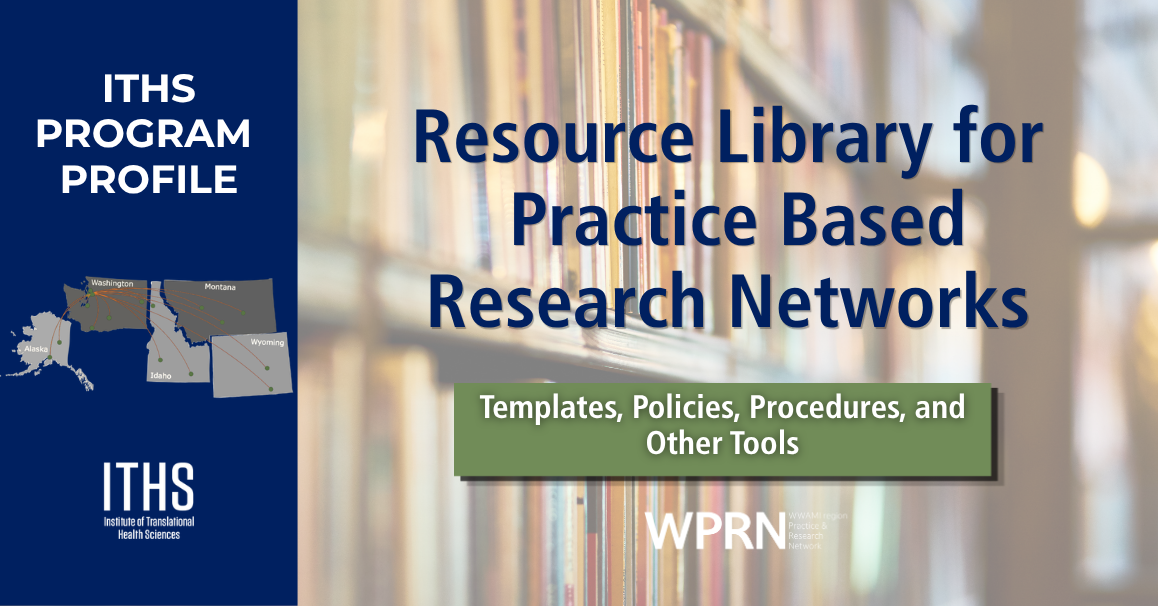
For this installment of the ITHS Profile Series we‘re focusing on the newly created Resource Library for Practice-Based Research Networks (PBRN). We connected with Laurie Hassell, ITHS Director of Community Engagement, to learn more about the effort to create this library and how it will be helpful to practice-based research networks across the WWAMI region.

Laurie Hassell
Director of Community Engagement
Thank you for joining us to talk about the PBRN Resource Library, Laurie! Could you start by sharing what this resource library is and who it is for?
Hassell: The PBRN Resource Library is a collection of policies, procedures, templates, and tools developed from nearly two decades of experience building and managing the WWAMI Region Practice and Research Network (WPRN). It was created by WPRN to help other practice-based research networks get established or strengthen their practices without having to start from scratch. Its primary audience is Clinical and Translational Research Development Award (CTR-D) teams building new networks, but it is also useful for any group developing or managing practice-based research networks. The CTR-D Awards from the NIH support development of clinical and translational research infrastructure, including new PBRNs. As a result, our WPRN faculty team members have been working with several states as consultants, advisors, and members of external advisory boards to provide support and expertise to build these new organizations. The idea is that the resources within the PBRN Library serve as a starting point, and people can adapt them to fit their own networks.
What made you realize something like this was a need?
Hassell: The need became clear through repeated requests from partner organizations and colleagues over the years who asked for specific policies and templates that can easily be adapted to fit their networks. Most recently, the Healthy Idaho CTR-D team specifically requested these materials as they built their own network. As an operations person, I really try to avoid reinventing the wheel, and so the goal was to save time by providing proven starting points.
We appreciate the efforts of the WPRN and Laurie in creating and sharing this valuable resource. As the Healthy Idaho CTR-D PBRN has been developing our own infrastructure, having these templates built upon years of experience provides a strong and practical foundation for us.
-Elaine Nguyen, Healthy Idaho CTR-D CEO Core.
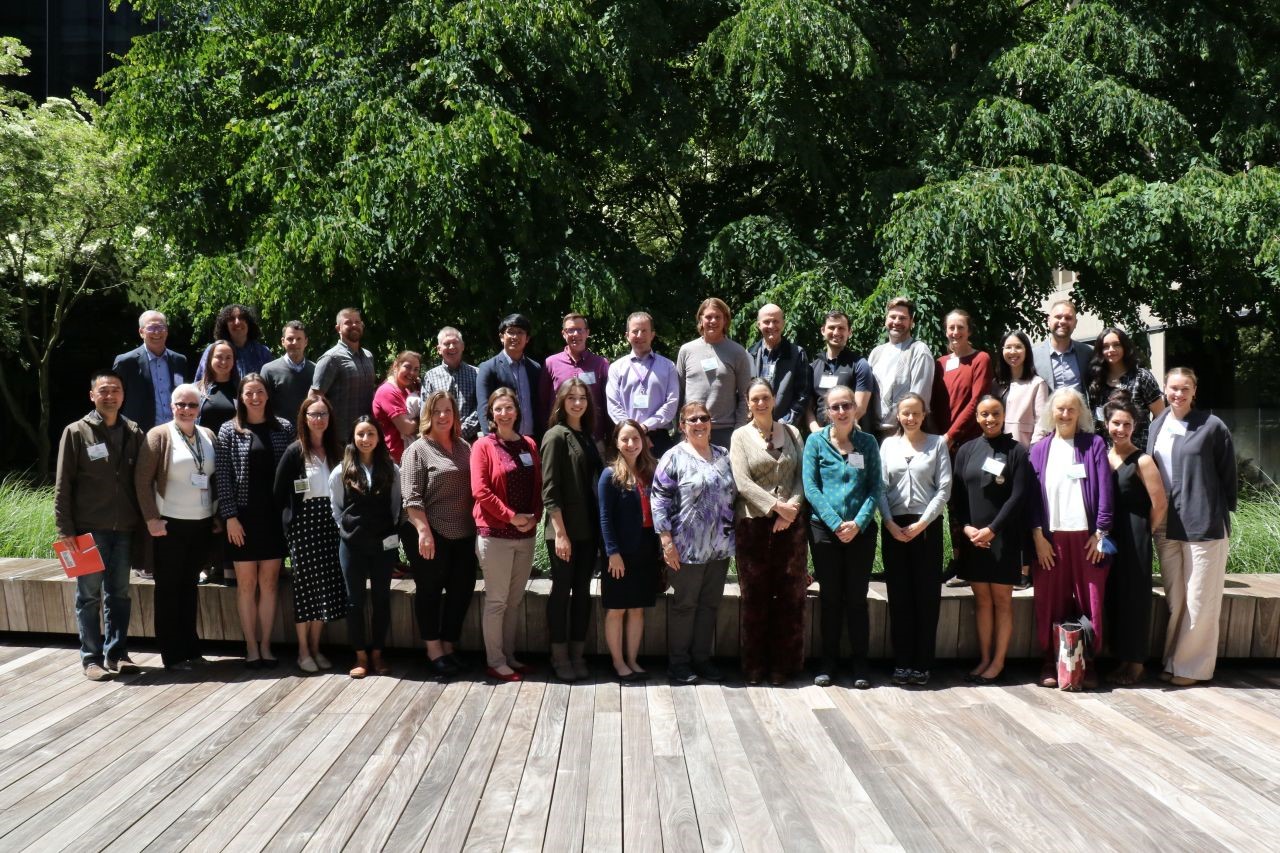
WPRN Team, 2024
Who created these templates?
Hassell: I adapted WPRN’s existing internal policies and procedures into reusable templates, and Dr. Allison Cole, Director of WPRN, reviewed them before publication. That said, I want to add that while I created the template versions, the actual policies and procedures behind them reflect the collective work of many contributors over nearly two decades, including the WPRN Steering Committee and Coordinating Center. Their collaboration shaped and refined the original materials.
How can people access this resource?
Hassell: The PBRN Resource Library is available at no charge through the ITHS website. Users can browse by category, such as governance or membership, or search the full inventory directly if they know what they need. People can use the following link to access the library: https://www.iths.org/investigators/tools-resources/pbrn-resources/.
The PBRN Resource Library builds on our many years of experience conducting community-engaged and practice-based research in our WWAMI region. We hope that this toolkit can serve as a foundation for new and emerging PBRNs as they build their infrastructure to engage their communities and practices.
-Dr. Sebastian Tong, WPRN Associate Director
Anything else people should know?
Hassell: One especially useful part of the library is the card study toolkit. Some clinics in practice-based research networks are small with limited involvement in research, while others are large multi-provider centers with more experience. Card studies are a great way to introduce research in an accessible way, and they require minimal extra work from clinics because most of the burden is handled by the coordinating center. They also involve the whole clinic, from medical assistants, staff, physician assistants, and more. That makes these studies a terrific way to engage clinics in research while building familiarity and comfort with the process. The toolkit includes everything needed to run a study, making it a valuable resource for introducing clinics to research participation.
In addition to overseeing the operations of the ITHS Community Engagement and Participant and Clinical Interactions Programs, Hassell is the co-founder and coordinator of the Northwest Participant & Clinical Interactions Network.