Speaker and Presenter Bios
Many thanks to our Symposium speakers and Expo poster presenters! Read more about them below.





Many thanks to our Symposium speakers and Expo poster presenters! Read more about them below.
Robert J. Jones, PhD
President, University of Washington
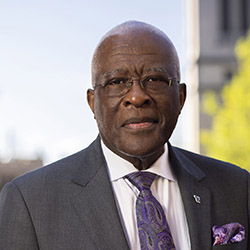
Robert J. Jones, PhD, took office as the 34th president of the University of Washington on Aug. 1, 2025. He holds a faculty appointment in the Department of Biology in the College of Arts and Sciences. Prior to leading the UW, Jones served as chancellor of Illinois’ flagship university, the University of Illinois Urbana-Champaign, and prior to that as president of the State of New York University at Albany (SUNY Albany). He is a distinguished scholar whose research focuses on crop physiology, and he has served in leadership roles in national academic organizations and the Big Ten Conference. At Illinois, Dr, Jones launched the world’s first engineering-based medical school, The Carle Illinois College of Medicine at the University of Illinois Urbana-Champaign.
Tueng T. Shen, MD, PhD (Featured Speaker)
Associate Dean, Medical Technology Innovation (UW Medicine/College of Engineering); Professor of Ophthalmology, Graham and Brenda Siddall Endowed Chair; Adjunct Professor, Bioengineering & Global Health
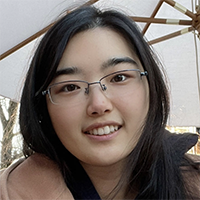
Dr. Shen is a physician and an engineer at the University of Washington. She is an expert in medical and surgical management of corneal disorders, cataract surgeries, and refractive surgeries. Dr. Shen received her PhD in Medical Engineering and Medical Physics (MEMP) from the Massachusetts Institute of Technology and her MD from Harvard Medical School. She builds bridges between engineers and physicians to facilitate the translation of innovative engineering technology into creative clinical solutions to treat global blindness, particularly by leveraging technological advancements in polymer sciences, microelectronics and modern imaging techniques.
Colin Acton, MEng
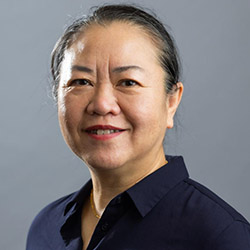
Colin Acton is a PhD student in the Department of Mechanical Engineering at the University of Washington’s College of Engineering, and a researcher in the Mechatronics, Automation, and Control Systems Laboratory (MACS Lab).
Xu Chen, PhD
Director of the Boeing Advanced Research Collaboration; Bryan T. McMinn Endowed Research Professor, Mechanical Engineering; Associate Professor, Mechanical Engineering, UW College of Engineering
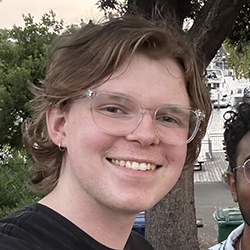
Dr. Xu Chen joined UW as an assistant professor of mechanical engineering in 2019. He received his M.S. and Ph.D. degrees in mechanical engineering from the University of California, Berkeley, and his Bachelor’s degree with honors from Tsinghua University, China.He pursues a research passion in dynamic systems and controls, to better understand and engineer smart machines and autonomy that positively impacts our lives. He builds control algorithms that counteract process variations and yield high-quality, agile manufacturing of complex parts at low unit costs compared to conventional machining. He also researches sensing, actuation, and energy transformation that facilitate novel machines and manufacturing processes: e.g., advisor robots for automated inspection in the aerospace industry. His work in laser-aided additive manufacturing advances aerospace components and custom-designed medical implants, with potential to improve more products for the energy, automotive, healthcare, and biomedical industries. He brought his technology to precision control and information storage industries, including developing multiple new servo designs for Western Digital Corporation’s industrial mass production.
Dr. Chen’s work – funded by NSF, DOE, DOD, state, and industries – has led to Best Paper Awards, first-tier adaptive control methods in international benchmark evaluations, and the graduation of two University Scholars. Dr. Chen is a recipient of the NSF CAREER Award, the SME Sandra L. Bouckley Outstanding Young Manufacturing Engineer Award, the Young Investigator Award from ISCIE / ASME International Symposium on Flexible Automation, the inaugural UTC Institute for Advanced Systems Engineering Breakthrough Award in 2016, and the 2017 UConn University Teaching Fellow Award Nominee. Dr. Chen is Program Chair of the 2022 Modeling, Estimation, and Control Conference sponsored by the American Automatic Control Council (AACC) and co-sponsored by the International Federation of Automatic Control (IFAC); Program Chair of the 2024 ISCIE/ASME International Symposium on Flexible Automation (ISFA); Publicity and Local Arrangements Chair of the 2020 and the 2023 IEEE/ASME International Conferences on Advanced Intelligent Mechatronics, and Exhibits Chair of the 2021 IEEE American Control Conference.
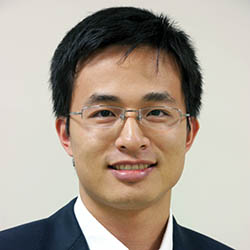
Jenq-Neng Hwang, PhD
Professor; Co-Director of Cross-Pacific AI Initiative (X-PAI), Department of Electrical and Computer Engineering, UW College of Engineering
Dr. Jenq-Neng Hwang received the BS and MS degrees, both in electrical engineering from the National Taiwan University, Taipei, Taiwan, in 1981 and 1983 separately. He then received his Ph.D. degree from the University of Southern California. In the summer of 1989, Dr. Hwang joined the Department of Electrical and Computer Engineering (ECE) of the University of Washington in Seattle, where he has been promoted to Full Professor since 1999. He served as the Associate Chair for Research from 2003 to 2005, and from 2011-2015. He also served as the Associate Chair for Global Affairs from 2015-2020. He is currently the International Programs Lead in the ECE Department. Currently, he serves as the Co-Director of Cross-Pacific AI Initiative (X-PAI) in the College of Engineering (CoE), UW. He is the Founder and Director of the Information Processing Lab., which has won several AI City Challenges awards in the past years. He has written more than 450 journal, conference papers and book chapters in the areas of machine learning, multimedia signal processing, computer vision, and multimedia system integration and networking (my Google citation), including an authored textbook on “Multimedia Networking: from Theory to Practice,” published by Cambridge University Press. Dr. Hwang has close working relationship with the industry on artificial intelligence and machine learning.
Dr. Hwang received the 1995 IEEE Signal Processing Society’s Best Journal Paper Award. He is a founding member of Multimedia Signal Processing Technical Committee of IEEE Signal Processing Society and was the Society’s representative to IEEE Neural Network Council from 1996 to 2000. He is currently a member of Multimedia Technical Committee (MMTC) of IEEE Communication Society and also a member of Multimedia Signal Processing Technical Committee (MMSP TC) of IEEE Signal Processing Society. He served as associate editors for IEEE T-SP, T-NN and T-CSVT, T-IP and Signal Processing Magazine(SPM). He served as the General Co-Chair of 2021 and 2022 IEEE World AI IoT Congress, Seattle, WA. He also served as the Program Co-Chair of IEEE ICME 2016 and was the Program Co-Chairs of ICASSP 1998 and ISCAS 2009. Dr. Hwang is a fellow of IEEE since 2001.
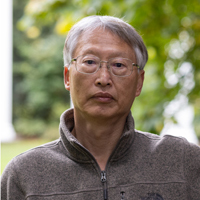
Stephen A. McCartney, MD, PhD
Assistant Professor, Obstetrics and Gynecology, UW School of Medicine
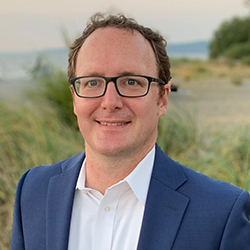
Richard B. Utarnatchitt, MD, MS
Clinical Associate Professor, Emergency Medicine, UW School of Medicine; Medical Director, Airlift Northwest
Richard B. Utarnachitt, MD, MS, is an ABEM board certified physician in both Emergency Medicine and Emergency Medical Services (EMS). He also serves as Medical Director and flight physician for Airlift Northwest, UW Medicine’s air medical transport service. He is a Clinical Associate Professor in the UW Department of Emergency Medicine and core faculty in the UW Section of EMS.
Dr. Utarnachitt finds great satisfaction in the role UW Medicine fills as the regional institution that provides tertiary care, as well as serves as the safety net hospital for the underserved population. Any patient is accepted into the UW system regardless of socioeconomic status. Airlift Northwest is a direct extension of the world-class service that UW Medicine provides.
Dr. Utarnachitt earned his MD from Wayne State University in Detroit. His clinical and research interests include critical care transport, airway management, sepsis care, pre-hospital trauma care and pre-hospital cardiac dysrhythmias.
Dr. Utarnachitt has a keen interest in all things food related. He is also an avid stand-up paddle boarder.
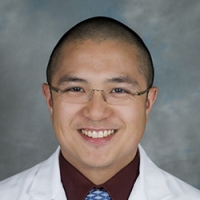
Nathan White, MD, MS
Vice Chair of Research and Professor, Department of Emergency Medicine, UW School of Medicine; Associate Dean for Research and Graduate Education – Harborview Medical Center; Adjunct Associate Professor, Department of Bioengineering, UW College of Engineering; Adjunct Associate Professor, Department of Mechanical Engineering, UW College of Engineering; Vice Chair of Research, Department of Emergency Medicine, Director, Resuscitation Engineering Science Unit (RESCU)
Nathan White, MD, MS, DipRTM is the Associate Dean for Research and Graduate Education – Harborview Medical Center. Dr. White is a board-certified physician working in the Emergency Department at Harborview Medical Center and a UW Associate Professor of Emergency Medicine and adjunct professor of Bioengineering and Mechanical Engineering. Dr. White especially likes to work in a fast-paced environment. As a physician, what excites him is to be able to care for patients quickly and compassionately in a team environment.
In addition to general Emergency Medicine, Dr. White works as a Flight Physician with Airlift Northwest and directs the Resuscitation Engineering Science Unit (RESCU), a research center focused on how to stop bleeding after major trauma, studying blood coagulation response to injury, and designing new diagnostics and therapies for critical care in austere environments.
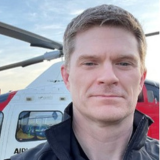
Quansan Yang, PhD
Assistant Professor, Materials Science and Engineering, UW College of Engineering
Dr. Quansan Yang is currently an Assistant Professor of Materials Science and Engineering at the University of Washington. His research focuses on the intersection of molecules, materials, and devices. He obtained his B.Eng degree from Tsinghua University in 2016. Then he received his Ph.D. from Northwestern University in 2021, where he worked with Prof. John A. Rogers. During 2021-2024, he was a postdoctoral researcher at the Massachusetts Institute of Technology, working in the labs of Profs. Edward S. Boyden and Peter T.C. So.
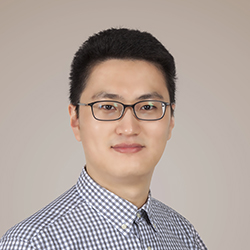
Ali Bouge, MS, RAC
Associate Teaching Professor, MS in Biomedical Regulatory Affairs (BRAMS) Program, School of Pharmacy, University of Washington
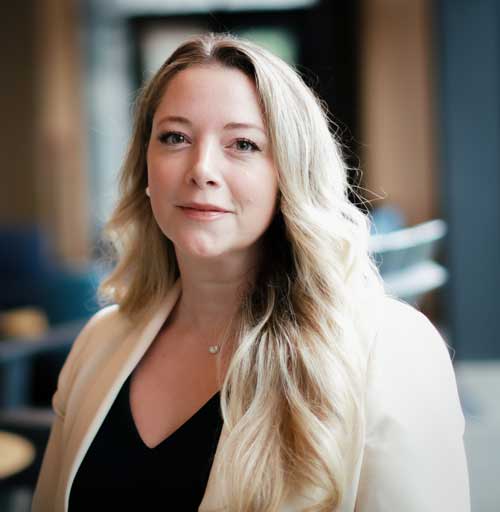
Jeanne Gallée, PhD, CCC-SLP
Postdoctoral Fellow and Licensed Speech-Language Pathologist, Center for Psychometric Analyses of Aging and Neurodegeneration, School of Medicine, University of Washington
Jeanne Gallée is a postdoctoral fellow and licensed speech-language pathologist at the Center for Psychometric Analyses of Aging and Neurodegeneration (CPAAN) at the University of Washington School of Medicine. She received her doctorate at Harvard and concurrently completed all clinical coursework and training in speech-language pathology at the MGH Institute of Health Professions. Her research works to establish inclusive and representative models of communication and to enhance the provision of person-centered care for rare dementias, including primary progressive aphasia (PPA).

Vickie Ramirez
Senior Research Coordinator and Program Manager, Center for One Health Research, School of Public Health, University of Washington
Vickie Ramirez (she/her/hers) is the Senior Research Coordinator and Program Manager at the University of Washington’s Center for One Health Research. She also serves as Co-Director of the One Health Clinic, an interdisciplinary clinic that brings together veterinary and human healthcare to serve community members experiencing homelessness alongside their furry, feathery, and scaly animal companions.
Trained as a medical anthropologist, Vickie focuses on improving health access and outcomes for communities that face persistent structural barriers to care. Through a One Health approach—which recognizes the interconnectedness of human, animal, and environmental health—she collaborates with communities in the United States and internationally to design, implement, and evaluate One Health Clinics that reduce barriers and expand access to care.
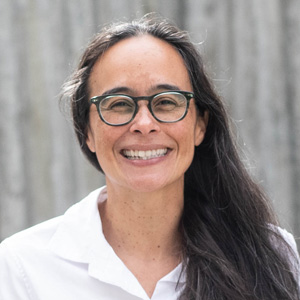
Belle Anselmo is a second-year PhD student in the Department of Chemistry and Biochemistry at Montana State University. She works under Dr. Ron June and Dr. Brian Bothner to use mass spectrometry to understand changes in joint metabolism related to osteoarthritis. Belle earned her undergraduate degree in biology at Carroll College, where she first gained research experience testing for West Nile virus in mosquitoes across Montana, as well as testing for insecticide resistance in mosquitoes. She also participated in an NSF REU where she studied tree root biomass variations with soil texture.
Metabolite Extraction Optimization for Exploring Differences in Metabolomic Profiles Across KL Grades and Pain Levels using LC-MS
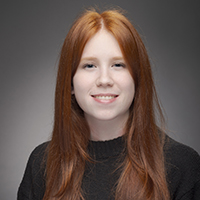
Jessica Ayers is a 4th year PhD student in the Molecular Medicine and Mechanisms of Disease (M3D) program at the University of Washington and a 2025–2026 ITHS TL1 Fellow. Her research focuses on modeling Hailey-Hailey disease (HHD) using in vitro cell culture systems to identify key pathogenic drivers and potential therapeutic targets. Her background is in organoid cultures and clinical research, with a strong interest in translational approaches that bridge mechanistic discovery and patient-centered applications. She also mentors undergraduate and medical students and is passionate about making biomedical research accessible to broader audiences through teaching and scientific communication.
Hailey-Hailey disease models reveal impaired cadherin expression and localization along with actin dysregulation as key pathogenic drivers that weaken intercellular adhesion
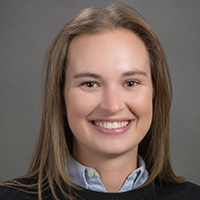
Dr. Stephanie H Chen, MD, is an Assistant Professor of Neurological Surgery at the University of Washington who specializes in cerebrovascular, endovascular, and skull base tumors at the University of Washington and Harborview Medical Center. She graduated from New York University, summa cum laude with a B.S. in neuroscience. She received her medical degree from the University of Pittsburgh with highest honors and completed residency at the University of Miami/Jackson Memorial Hospital. She completed two cerebrovascular/endovascular fellowships at the University of Miami and the University of Washington.
Her NIH-funded research focuses on the role of inflammation in the pathogenesis of cerebrovascular thrombus formation, propagation, and cerebral infarction in patients with stroke. Her work aims to bridge translational science with clinical innovation to improve outcomes for patients with ischemic stroke. Dr. Chen has authored over 70 peer-reviewed publications, including in high-impact journals such as Stroke, Frontiers in Pharmacology, and the Journal of Cerebral Blood Flow and Metabolism. She has also contributed to numerous book chapters and presented her work at national meetings.
A dedicated educator and mentor, Dr. Chen is actively involved in resident training and surgical education. She also serves as a Quality Improvement Officer within her department, driving patient safety and systems-based initiatives that strengthen care delivery at an institutional level.
Her professional goals center on delivering exceptional care to patients with complex neurosurgical conditions, advancing the field through innovation and research.
Neutrophil Extracellular Traps (NETs) in Acute Ischemic Stroke
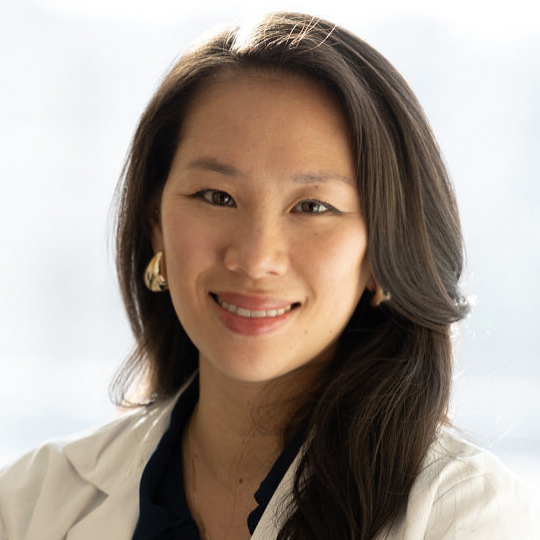
Angela Chen is a PhD Candidate at the University of Washington School of Public Health. Her research focuses on using data to inform public health policy and practice and improving access to health services. During her PhD, she worked as a Research Assistant at the Institute for Health Metrics and Evaluation (IHME) for the Global Burden of Disease (GBD) study. Prior to beginning her PhD, Angela worked as a Program Analyst in the Office of HIV/AIDS in the Global Health Bureau at the United States Agency for International Development, focusing on the scaling up of multi-month dispensing of antiretrovirals for HIV treatment and prevention in response to the COVID-19 pandemic and scaling-up of machine learning applications for HIV care. She earned her Master of Science degree in Public Health (Health Economics concentration) from the London School of Hygiene and Tropical Medicine and her bachelor’s degree in International Affairs (Global Public Health concentration) and Spanish Literature from George Washington University.
Effects of School-Entry Vaccination Mandates on Adolescent Human Papillomavirus Vaccination Uptake in the United States
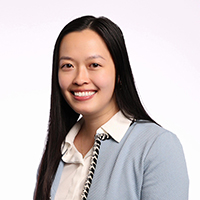
Sheela Damle, MD, PhD, is an Assistant Professor in the gastrointestinal medical oncology group at Fred Hutch Cancer Center. Dr. Damle earned her MD PhD from Virginia Commonwealth University where she developed a deep interest in immunology and completed her internal medicine residency training at University of Washington. She stayed at University of Washington/Fred Hutch for her hematology/oncology fellowship, where she worked with Dr. Venu Pillarisetty studying intratumoral clusters of dendritic cells and T cells in human pancreatic cancer and developing immunomodulating therapies. Her research focus on translational approaches to understand and target myeloid cells in gastrointestinal malignancies. Her clinical focus is colorectal cancer and pancreatic cancer.
Triads of dendritic cells, CD4+ T cells, and CD8+ T cells represent conserved features of endogenous anti-tumor immune responses
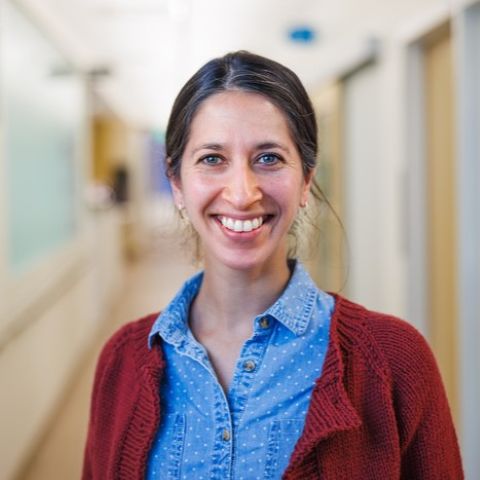
I am a physicist by training with experience in multidisciplinary research. My work focuses on understanding and modeling complex, multidimensional systems using mathematics, statistical physics, and nonlinear dynamics. Before my current position as a staff scientist at Fred Hutch, I used Monte Carlo simulations and numerical simulations of stochastic and nonstochastic differential equations to study multidimensional predator-prey systems and systems of coupled oscillators. Also as a postdoctoral fellow at UC Davis, I used models of statistical physics and nonlinear dynamics to understand the spatiotemporal dynamics of ecological oscillators. My current focus is developing data-driven mechanistic viral dynamics models, both within the host capturing the interaction with the immune system and in-vitro under highly controlled conditions. Combining the within-host viral dynamics model with pharmacokinetics and pharmacodynamics models, we simulate clinical trials to explore treatment regimens and inform the design of future clinical trials
Clinical Trial Simulation (CTS) of antiviral therapy
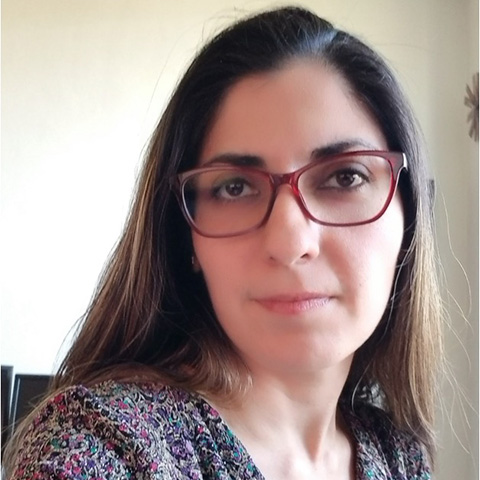
Katherine is a PhD candidate in the Graduate Program in Neuroscience. She is conducting her dissertation research in the Perlmutter Lab on sex differences in the effects of spinal cord electrical stimulation on spinal cord injury symptoms. She is highly involved in her programs DEI committee and is the lead Graduate Student Editor for the undergraduate neuroscience journal, Grey Matters. In her free time, you’ll find her playing with her cat or playing Zelda games.
The Effect of Motor-Targeted Epidural Spinal Stimulation on Spinal Cord Injury-Induced Neuropathic Pain
Kristian Jones, PhD, is an Assistant Professor at the University Washington in the School of Social Work and a 3rd year KL2 scholar. His program of research examines how youth mentoring relationships can be utilized to prevent adverse outcomes and promote positive strengths for marginalized young people with a focus on Black youth. As a Black male scholar, his research is grounded in his passion for equity and inclusion, specifically as it relates to marginalized youth and their families. His most recent research examines how youth mentoring relationships can prevent firearm violence among Black young people and has led him to join the Firearm Injury Policy & Research Program (FIPRP) at the University of Washington. He currently is the Director of Community Core at FIPRP. Prior to being a faculty member at the University of Washington, he worked as a Foster Care Counselor at Youth Villages in Cookeville, Tennessee and as a Community Support Therapist in Stone Mountain, Georgia. He received his PhD in Social Work from the University of Texas at Austin, his Master’s of Education in Counseling from Boston University, a Bachelor’s degree in Psychology from Albany State University in Albany, Georgia and was raised in Marietta, Georgia.
Been There, Done That, and Now I’m Giving Back: Perspectives From Mentors and Administrators in Community Violence Intervention Programs
Brittany Jones-Cobb (she/her) is a Ph.D. candidate in Social Welfare at the University of Washington. Brittany is a social gerontologist whose research interests are grounded in years of experience working with older adults as a community-based clinical social worker. She learned from her clients about the precarious position many older adults find themselves in as they age into or with disability but do not have a care partner to assist with their self-care, mobility, and other daily living needs. Her research experience has included intervention development, implementation and efficacy testing for marginalized older adult populations.
In her mixed-methods dissertation Brittany aims to inform the development and adaptation of culturally-tailored, effective and implementable interventions that promote the health and wellbeing of older adults without care partners from racialized, socioeconomically disadvantaged and sexual and gender diverse communities, including those that may require care due to the presence of chronic conditions or disability
Older Adults without Care Partners and Institutionalization: Findings from HRS
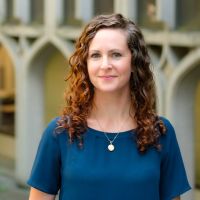
Katelyn J. Kotlarek, PhD, CCC-SLP is an Associate Professor in the Division of Communication Disorders and the Maggie and Dick Scarlett Chair in Speech-Language Pathology at the University of Wyoming. Her research integrates magnetic resonance imaging and measures of speech production to characterize early speech and surgical outcomes for individuals with craniofacial differences. She was a KL2 Seminar Fellow for the 2025-2026 year.
The Relationship Between Velopharyngeal Asymmetry and VPI in Children with Craniofacial Microsomia: A Pilot Study
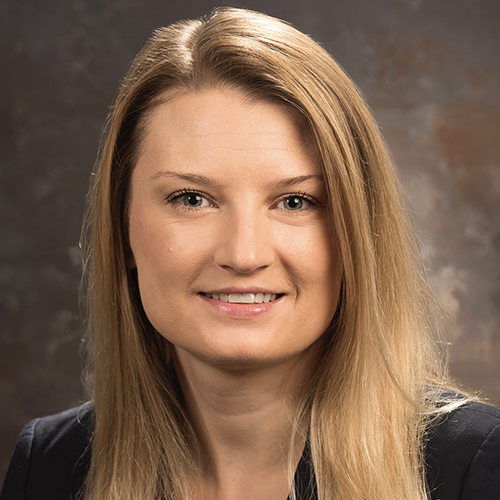
Kelsey is a second year Bioengineering PhD student in the Olanrewaju lab at the University of Washington. She has previous training in both biomedical engineering and material science engineering from the University of Virginia and completed her Master of Science in material science and engineering at the University of Washington. Prior to completing her Master’s, Kelsey worked in a hospital in the emergency department as an EMT and medical scribe where she encountered the need for more patient-centric healthcare tools and resources to relieve the burden on medical providers and provide better health outcomes for patients. Her interdisciplinary background aligns nicely with her current research focus: designing and rapid prototyping user-friendly devices for decentralized diagnostic access. Her research involves interfacing with clinicians, patients, and community engagement committees to develop robust designs of diagnostic devices which can be used in decentralized areas around the Pacific Northwest for therapeutic drug monitoring.
Patient-centered design of an immunosuppressant point-of-care test for transplant recipients in remote settings
Dr. Lidgard is an Assistant Professor of Nephrology at UW who investigates how the metabolic complications of kidney disease can impact risk for heart disease in this population. He is excited to present work funded by his KL2 grant.
Association of sphingolipids with all-cause and cardiovascular death in patients with kidney failure treated with maintenance hemodialysis
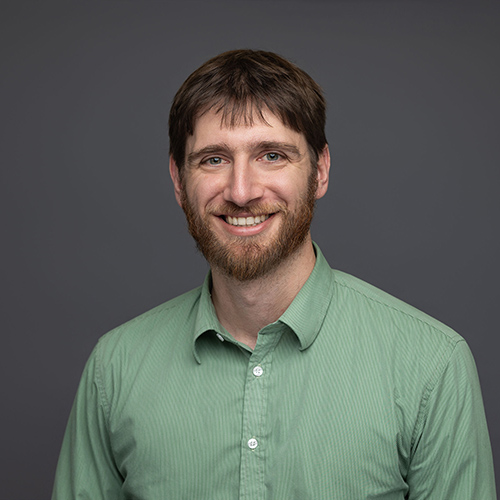
Quinn is a PhD student in the Department of Health Systems and Population Health at the University of Washington. Their research area of interest is violence prevention and response, with a specific focus on sexual violence and survivor-centered alternatives to the criminal legal system. Their current work includes understanding sexual assault survivor decision-making needs regarding medical forensic exams and evaluating school-based affirmative consent education. After their PhD, they hope to co-research with community organizations focused on liberatory responses to harm and building towards futures where violence is unimaginable.
Exploring and Addressing Sexual Assault Survivors’ Decision-Making Needs for Medical Forensic Exams
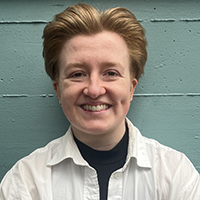
Madeline Metcalf is a PhD Candidate in MSU’s Rural & Indigenous Health Program and previously earned a MS in Global Health from Duke University. Madeline has experience leading applied public health research and evaluation projects in partnership with Indigenous Nations, immigrant communities, families impacted by cancer, and populations impacted by substance use globally. Madeline is particularly interested in social epidemiology and implementation science research, with a focus on designing responsive, community-centered approaches. Overall, Madeline aims to use her technical knowledge to amplify community voices, dismantle inequities, and support sustainable, impact-driven solutions.
Psychometric & Pre-Implementation Evaluation of an Immigrant-Specific Social Determinants of Health Screening Tool
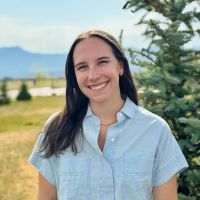
Dr. Reya Mokiao is a board certified pediatric nephrologist and health equity researcher. She completed her medical school training at Weill Cornell Medical College in 2016 and pediatric residency at Cohen Children’s Medical Center in 2019. In 2022, she completed her fellowship in pediatric nephrology and fellowship in child health equity research (CHERPPT) at the University of Washington School of Medicine and her Master of Science in Epidemiology at the University of Washington School of Public Health. Her research entails partnering with Indigenous communities to understand and develop cardiometabolic health programs for Indigenous youth.
Native Hawaiian and Pacific Islander Youth Perspectives on Health and Health Programs
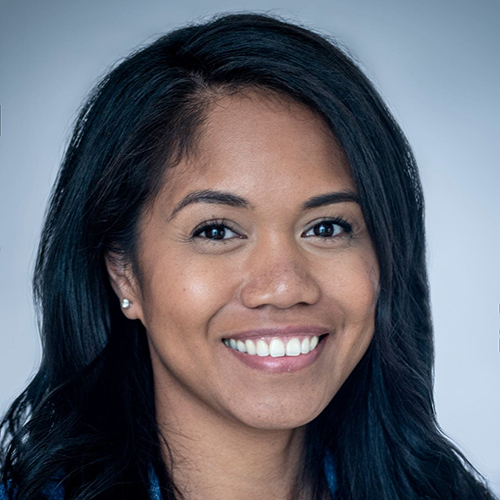
I am a Research Scientist in the Aitchison Lab, at the Global infectious diseases Research at SCRI where I specialize in systems virology and host-pathogen interactions. With a foundational background in proteomics and mass spectrometry, my current research – supported by an R21 grant- focuses on the integration of physical protein-protein interactions (PPIs) with functional genetic networks. My work aims to identify synthetic lethal (SL) vulnerabilities in viral infections to develop highly selective, host-directed therapeutics. I have previously published a review and a proof-of-concept of this approach in the Journal of Cell Biology.
Targeting virus-induced vulnerabilities using synthetic lethality as a new class of host-based antivirals
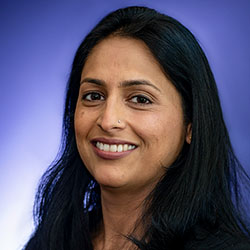
I am a Research Scientist in the Aitchison Lab, at the Center for Global Infectious Disease Research at SCRI where I specialize in systems virology and host-pathogen interactions. With a foundational background in proteomics and mass spectrometry, my current research – supported by an R21 grant – focuses on the integration of physical protein-protein interactions (PPIs) with functional genetic networks. My work aims to identify synthetic lethal (SL) vulnerabilities in viral infections to develop highly selective, host-directed therapeutics. I have previously published a review and a proof-of-concept of this approach in the Journal of Cell Biology.
A Culturally Responsive Framework for Understanding Subjective Cognitive Decline (SCD) and Help-Seeking Behaviors Across Racial and Ethnic Groups
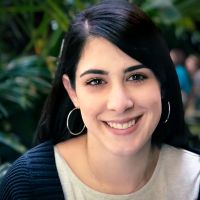
Minerva Orellana is a first-generation college student and the daughter of Salvadoran immigrants. She has a BS in Physiology and MS in Cell & Molecular Biology from San Francisco State University. She received her PhD from the Mayo Clinic Graduate School of Biomedical Science in Clinical and Translational Science.
Dr. Orellana’s research has focused on gynecologic health equity, spanning from maternal care, infertility, uterine fibroids, and endometrial cancer. She’s currently an Acting Assistant Professor in the Department of Obstetrics and Gynecology at the University of Washington. Her research focus would be on Latina gynecologic health.
Who’s included in the conversation? Messaging and conversations about menstruation among Latina women
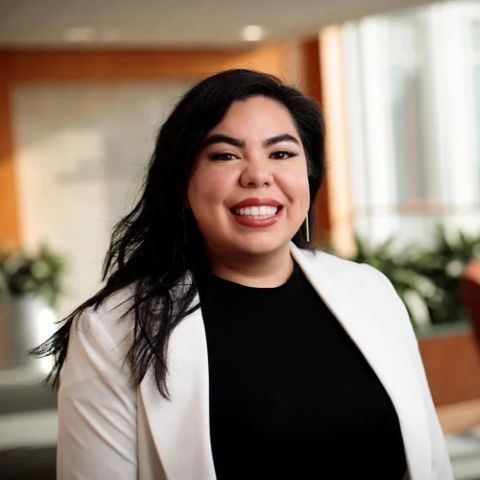
Megan Peach recently defended her PhD in biomechanics at Montana State University.
A Cross-sectional Analysis of Healthy Recreational Runners to Examine Relationships Between Clinical Measures and Tibial Load
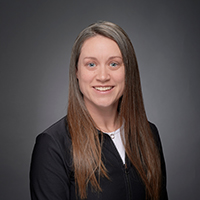
Jacob Schimetz is a PhD candidate in Microbiology and Cell Biology at Montana State University, where he uses single-cell approaches to study microbial physiology.
Profiling microbial physiology with Raman spectroscopy
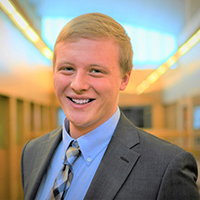
Britt St. John is an occupational therapist and assistant professor in the Department of Rehabilitation Medicine at the University of Washington. Dr. St John completed her graduate training at the University of Wisconsin-Madison and a Fulbright postdoctoral fellowship at the Olga Tennison Autism Research Centre in Melbourne, Australia. Her current research focuses on autistic feeding challenges and community participation for adults with intellectual and developmental disability. She embeds community engagement into all her research and serves as a consultant for inclusive methods on several research projects at the University of Washington.
Preliminary effectiveness, feasibility, and acceptability of First Bite: A waitlist intervention for caregivers of autistic children awaiting feeding therapy
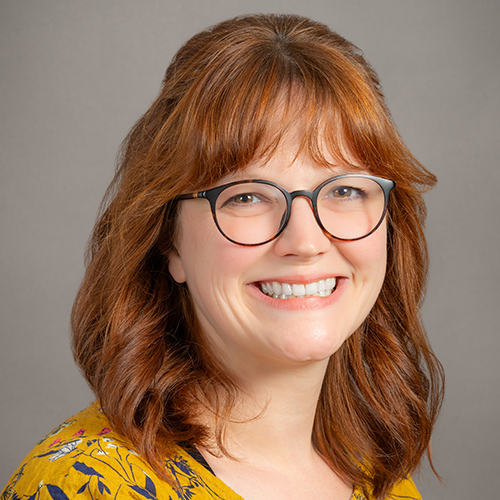
Dr. Vasbinder is an Assistant Professor in the UW School of Nursing. Her research aims to improve the lives of cancer survivors by developing clinically relevant methods for risk stratification and devising multidisciplinary strategies to mitigate the adverse effects of cancer treatments, including cardiotoxic effects and symptom burden.
Early Functional Decline and Predictors of Recovery in Vulnerable Allogeneic Hematopoietic Stem Cell Transplantation Recipients
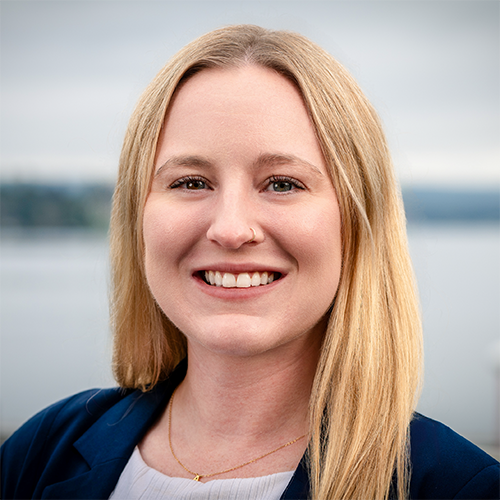
Jade Yang is a fourth-year PhD candidate in the Department of Medicinal Chemistry, where her research spans the full arc of drug development from target identification through preclinical assessment. Her current work investigates the role of CYP2J2, a cytochrome P450 enzyme, in clear cell renal cell carcinoma (ccRCC), one of the most prevalent and metabolically distinct subtypes of kidney cancer. Specifically, Jade is exploring how CYP2J2 modulates lipid homeostasis within the tumor and how these metabolic alterations influence cancer cell vulnerability to ferroptosis, a form of iron-dependent, lipid peroxidation-driven cell death. By uncovering these mechanisms, her work aims to illuminate new therapeutic strategies that exploit metabolic dependencies in ccRCC. Jade brings a systems-level perspective to cancer biology, bridging biochemistry, pharmacology, and translational medicine in her pursuit of novel drug targets.
Elevated CYP2J2 in Clear Cell Renal Cell Carcinoma Alters Lipid Homeostasis and Susceptibility to Ferroptosis
Peter received his bachelor’s degree in Biochemistry from the University of Minnesota. He is currently an MD/PhD student at the University of Washington studying genitourinary cancer biology. His graduate training is with Dr. Andrew Hsieh at the Fred Hutchinson Cancer Center where he is modeling bladder tumorigenesis to find novel therapeutic vulnerabilities. Peter plans to become an academic clinician and researcher, leading translational research that improves treatment for cancer patients. Outside of the lab, Peter enjoys spending his time playing pickleball and skiing with friends and family.
Decoding the Role of Somatic Mutations in the Urothelium for Clonal Expansion and Tumorigenesis
Wenyu Zeng is a Ph.D. candidate in the Biomedical and Health Informatics program at the University of Washington. Her research mainly focuses on using machine learning tools to detect glioblastoma and understand its harm to the brain. Prior to joining UW, Wenyu was a postbaccalaureate at the National Center for Translational Sciences (NCATS), where she worked with Dr. Ewy A. Mathé on predictive modeling and metabolomic projects. Wenyu earned her B.S. in Statistics from University of Pittsburgh, and M.S. in Data Science from George Washington University. In her spare time, Wenyu enjoys hiking, playing boardgames, and traveling.
Computational Pipeline for Glioblastoma (GBM) Spatial Transcriptomics Data Analysis