02 Feb Bringing It All Together: Teaming in the Real World
Register below to receive Zoom information
Description
Team science looks great on paper, but what happens when real people, real roles, and real constraints are involved? Join us for the final Team Science Seminar Series session of the 2025-2026 academic year to find out!
This session will feature a panel of research team members (PIs, professional research staff, recent graduate students) who will explore real-world team science challenges at the intersection of interdisciplinary collaboration and everyday constraints, using the 6 Conditions for Team Effectiveness as a guiding framework. Panelists will share candid examples of how their teams struggle—and adapt—when purpose is unclear, roles and decision rights are misaligned, norms fail to support psychological safety, or organizational systems fall short. The discussion will highlight practical strategies teams use to diagnose breakdowns, make mid-course corrections, and strengthen collaboration to achieve meaningful impact in complex research and clinical environments.
This opportunity is open to all eligible persons regardless of race, sex or other identity. Scroll down to register!
Learning Objectives
By the end of this session, participants will:
- Gain an understanding of teaming in different roles and career stages
- Describe practical strategies for strengthening team functioning
- Select at least one actionable practice to implement in your current and future teams.
About the Panelists
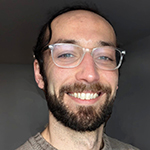 Warren Szewczyk, MS, is a research scientist at the UW School of Nursing and has a master’s degree in Epidemiology from the UW. His research interests focus on psychiatric epidemiology and the psychological and behavioral aspects of disease. With more than a decade of professional experience in various staff roles in human subjects’ research, Warren has been on research teams ranging in size from a handful of people to more than two dozen. Through this time, he has seen firsthand both the challenges that arise from poor team functioning and the opportunities that emerge when teams collaborate effectively.
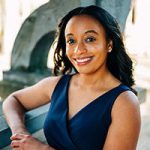 Deana Williams, PhD, is a community-based Research Investigator at the MultiCare Health System. For nearly a decade, her research has focused on advancing health equity alongside LGBTQ+ populations and communities of color through community-engaged, strengths-based approaches. Dr. Williams also leads the Health Equity Research Program within her organization, an interdisciplinary collaboration between community members, researchers, and healthcare professionals working towards health equity and racial justice. Her current work is centered on remedying cancer and reproductive health disparities, and she serves as the PI and co-PI of two studies funded by Washington State’s Cancer Endowment that are piloting interventions to close gaps in clinical trials. Dr. Williams has been an invited speaker at several national and international conferences, sharing equitable strategies for sustaining meaningful collaborations with community and clinical partners. She also holds expertise in strengthening community research capacity, supporting long-term investment in advancing community research leadership.
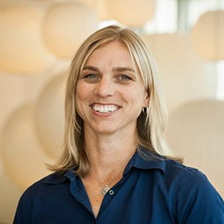 Carrie Heike, MD, MS, is pediatrician at Seattle Children’s Hospital and a professor in the Department of Pediatrics at the University of Washington School of Medicine. She completed her clinical fellowship in the Craniofacial Center at Seattle Children’s Hospital and has Master’s degree in Genetic Epidemiology at the University of Washington. Dr. Heike has a passion for providing clinical care to children with craniofacial differences. Dr. Heike and her research teams focus on improving pediatric health through studies focused on clinical outcomes, population health and quality improvement.
Please sign in below to access this form.
Access to this form is restricted to ITHS Members. Please sign in, or create an account.